Share this post:
Quick summary: How to Choose a Suit for Your Body Shape
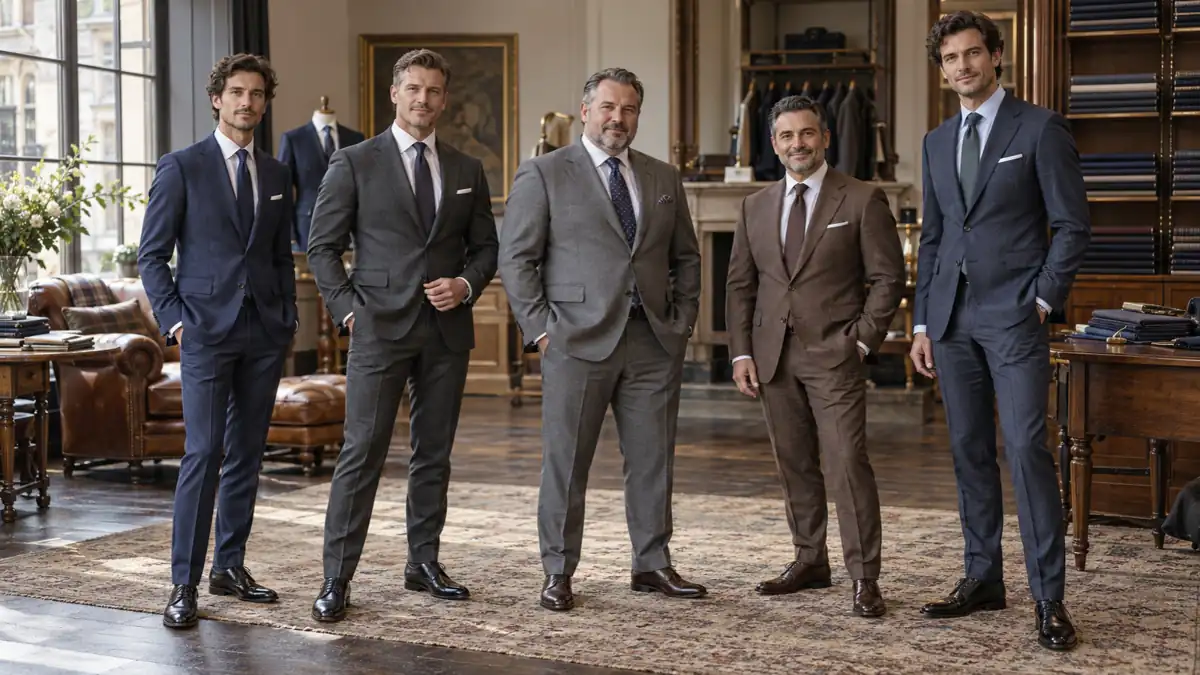
Understanding how to choose a suit for your body shape starts with recognising your natural proportions rather than simply selecting a slim, regular or relaxed fit. The right suit should complement your shoulders, chest, waist and height, creating a balanced silhouette while allowing you to move comfortably.
At Stunning Fashion, we believe a well-chosen suit should work with your physique, not force it into a particular fashion trend. Whether you have broad shoulders, a fuller waist, a lean frame or a shorter build, thoughtful tailoring can make a considerable difference.
Choosing a suit for your body type at a glance
- Broad shoulders and narrow waist: Choose a jacket with natural shoulders and controlled waist shaping. Avoid unnecessary shoulder padding.
- Slim or rectangular build: Look for structured shoulders, gentle waist suppression and a balanced jacket length to create definition.
- Fuller waist or rounded midsection: Prioritise clean vertical lines, comfortable fastening and trousers that sit naturally without pulling.
- Shorter or compact frame: Choose proportionate lapels, correctly positioned buttons and carefully balanced jacket and trouser lengths.
- Tall or long-limbed build: Pay particular attention to jacket length, sleeve proportions, trouser rise and the overall balance between your upper and lower body.
- Muscular or athletic physique: Allow sufficient room through the chest, shoulders, arms and thighs without excessive fabric around the waist.
The essential principle: The best suit is not necessarily the tightest or most fashionable. It is the one that follows your natural proportions, fits correctly in the shoulders and chest, and creates a comfortable, refined appearance.
This guide explains how to identify your body shape, select a suitable jacket and trouser cut, recognise common fitting mistakes and decide when professional tailoring is worthwhile.
Unsure which suit style complements your build?
Our team at Stunning Fashion can help you understand the jacket shape, trouser cut and proportions that work naturally with your physique.
Why Your Body Shape Matters When Choosing a Suit
A suit can be beautifully made, use excellent fabric and have attractive detailing, yet still look unbalanced if its proportions do not complement the wearer. This is why understanding your body shape is an important starting point when choosing tailored clothing.
The purpose of good tailoring is not to disguise who you are. Instead, it is to create harmony between your natural physique and the lines of the garment.
For example, a gentleman with naturally broad shoulders may look better in a jacket with minimal additional padding. Someone with a straight torso, however, might benefit from a little shoulder structure and gentle shaping through the waist.
Equally, trouser rise, jacket length and lapel width can influence how tall, broad or balanced a person appears.
Before considering individual body types, it helps to understand what distinguishes a correctly fitting garment. Our main guide, How Should a Suit Fit? The Complete Gentleman’s Guide, explains the fundamental fitting principles in greater detail.
How to Identify Your Body Shape Before Choosing a Suit
You do not need an elaborate assessment to understand your general proportions. Start by looking at the relationship between your shoulders, chest, waist and hips.
Stand naturally in front of a full-length mirror, wearing a reasonably close-fitting shirt and trousers. Avoid drawing in your stomach or deliberately adjusting your posture.
Five common male body-shape categories
- Inverted triangle: Noticeably broader shoulders and chest with a comparatively narrow waist.
- Rectangle: Shoulders, chest and waist have relatively similar widths, creating a straighter silhouette.
- Oval: More fullness around the stomach or midsection, sometimes with comparatively narrower shoulders.
- Triangle: The waist or hips are wider than the shoulders, making the lower torso more prominent.
- Trapezoid: Shoulders are moderately wider than the waist, with a naturally balanced upper-body shape.
These categories overlap. You might have broad shoulders and a fuller waist, or a slim torso with particularly muscular thighs. Furthermore, height and posture have a significant effect on which suit proportions work best.
What should you measure?
For a more objective starting point, record your chest, waist, hips, shoulder width and inside-leg measurement. A tailor may also consider neck position, shoulder slope, arm length and posture.
The International Organization for Standardization's guidance on clothing body measurements provides a recognised framework for defining anatomical measurements used in garment sizing and development.
Best Suit Styles for Different Body Types
Once you understand your proportions, the next step is to select a cut that creates the appearance you prefer without sacrificing comfort.
1. Best suits for an inverted triangle or athletic body shape
An athletic build often combines a broad chest, developed shoulders and a noticeably narrower waist. Although this can create a naturally defined silhouette, ready-made suits sometimes struggle to accommodate the difference between the upper and lower torso.
Excessively fitted jackets may pull across the chest, while a larger jacket chosen for shoulder room can leave unnecessary fabric around the waist.
Consider the following:
- Natural or lightly padded shoulders to avoid exaggerating upper-body width.
- Moderate waist suppression to follow the torso without restricting movement.
- Enough room across the upper back and chest when moving your arms.
- A medium-width lapel proportionate to the chest.
- Trousers with adequate thigh room and a controlled taper below the knee.
A two-button, single-breasted jacket is often a versatile starting point. However, the ideal result depends on the wearer's proportions and the intended style.
2. Best suits for a rectangular or slim body shape
A rectangular build generally has less difference between shoulder and waist measurements. The aim is often to introduce subtle definition rather than making the body appear dramatically larger.
Light shoulder structure can help establish a clean upper-body line. Meanwhile, carefully shaped side seams can provide the appearance of a defined waist.
Useful choices include:
- Lightly structured shoulders for gentle definition.
- Subtle rather than aggressive waist suppression.
- Medium-width lapels that suit the overall frame.
- Well-proportioned jacket length and button placement.
- Straight or moderately tapered trousers that do not cling to the legs.
Textured wool, subtle checks and carefully selected patterns can also introduce visual interest. Nevertheless, avoid adding excessive padding simply to make the chest appear wider.
3. Best suits for an oval or fuller body shape
For a gentleman with more fullness through the waist and stomach, comfort around the midsection is essential. A jacket that looks smooth while standing must also remain comfortable when sitting.
The temptation is often to choose either a very loose jacket or an overly tight style intended to appear slimmer. Neither is particularly effective.
A better approach is to establish a clean shoulder line, provide suitable room through the front and maintain an uninterrupted vertical silhouette.
Recommended considerations:
- A single-breasted jacket with sufficient room around the stomach.
- Comfortable button positioning without horizontal pulling.
- Natural shoulders with enough structure to maintain their shape.
- A jacket length that properly balances the torso.
- Medium-rise or higher-rise trousers where appropriate for comfort.
- Clean-front trousers or pleats when additional room is beneficial.
Darker colours and understated patterns may produce a quieter visual effect, although they are not a substitute for correct tailoring.
4. Best suits for a triangle or wider-hip body shape
With this build, the waist and hips are more prominent relative to the shoulders. The objective is generally to establish balance between the upper and lower halves of the body.
A well-defined shoulder line can help, provided it remains natural. Furthermore, the jacket should have enough width around the hips to fall cleanly rather than spreading apart.
- Consider gentle shoulder structure rather than extreme padding.
- Choose a jacket with suitable room across the lower front and seat.
- Keep waist shaping moderate.
- Try medium-width lapels to maintain upper-body balance.
- Select trousers with adequate seat and hip room.
- Avoid sharply tapered trousers that exaggerate the contrast between hips and ankles.
The position and shape of the jacket vents may also matter. Vents that remain visibly open while standing can indicate insufficient room over the hips or seat.
5. Best suits for a naturally balanced trapezoid body shape
A trapezoid physique has shoulders moderately wider than the waist, producing a relatively balanced outline. Many traditional suit patterns are designed around proportions broadly similar to this.
Consequently, several jacket styles may work well, including single-breasted and double-breasted designs.
- Choose a natural shoulder line that follows your frame.
- Use gentle waist shaping rather than excessive tapering.
- Keep jacket and trouser proportions consistent.
- Experiment with lapel styles according to your personal taste.
- Prioritise fit, cloth and comfort over a particular silhouette label.
A balanced physique offers flexibility, but it does not eliminate the need for careful measurements and alterations.
How to Choose a Suit for Your Height and Proportions
Body shape is only part of the decision. Height, leg length and the balance between your upper and lower body also influence the appearance of a suit.
Suit styles for shorter gentlemen
A shorter gentleman generally benefits from garments that are proportionate rather than simply cut smaller. The jacket should cover appropriately without making the legs appear unnecessarily short.
- Choose lapels scaled to your chest and shoulder width.
- Pay attention to button position and jacket length.
- Consider a moderate trouser rise that creates a balanced leg line.
- Keep trouser hems tidy rather than allowing excessive fabric to gather.
- Use restrained patterns where a cleaner visual line is preferred.
A shorter jacket is not automatically better. If the jacket is cropped too aggressively, it may disrupt the overall proportions and expose too much of the seat.
Suit styles for taller gentlemen
Taller clients often need to pay particular attention to sleeve length, jacket coverage and trouser rise. A jacket with the correct chest measurement may still be too short through the body.
- Ensure the jacket has adequate length for your torso.
- Choose sleeves that finish naturally at the wrist.
- Consider lapels that look proportionate to a longer frame.
- Allow sufficient trouser rise and seat depth.
- Use fabric texture or subtle patterns if you prefer to break up a very long silhouette.
Tall gentlemen do not necessarily need oversized or wide-fitting suits. The objective remains a clean and balanced outline.
How to Choose the Right Suit Jacket for Your Body Shape
The jacket establishes much of a suit's overall appearance. Its shoulders, lapels, fastening position and length all influence how your proportions are perceived.
Single-breasted versus double-breasted jackets
A single-breasted jacket is generally adaptable and works across a wide range of physiques. Its open front creates a relatively simple vertical line, making it a dependable choice for business and formal occasions.
A double-breasted jacket overlaps more fabric across the front. This can give the chest additional presence, but it requires careful attention to waist room, button placement and overall balance.
Neither style is inherently unsuitable for a particular body shape. The cut and pattern are more important than the number of buttons.
How lapel width affects the silhouette
Lapels should be considered in relation to shoulder width, chest size and jacket proportions.
- Narrow lapels: Can suit some slimmer or smaller frames, although very narrow styles may look disproportionately small on broader chests.
- Medium lapels: Offer a balanced and versatile appearance for many gentlemen.
- Wide lapels: Create a stronger visual presence and may complement broader or taller frames when proportioned carefully.
Shoulder padding and waist suppression
Shoulder construction determines how the jacket follows or modifies the natural shoulder line. Light padding can introduce definition, while a softer shoulder creates a more relaxed appearance.
Waist suppression refers to how much the jacket narrows between the chest and hips. Moderate shaping often creates definition without discomfort. Excessive suppression, however, can produce pulling, flared vents and an unnatural outline.
How to Choose Suit Trousers for Your Body Shape
Even an excellent jacket can look disappointing when paired with incorrectly proportioned trousers. The waistband, rise, seat, thigh and hem should all work together.
Choosing the correct trouser rise
Trouser rise describes the relationship between the crotch seam and the waistband. It affects where trousers sit on your body and how the fabric falls through the front and seat.
- Lower rise: May suit some casual tailoring styles but can be uncomfortable if it cuts across a fuller stomach.
- Medium rise: A useful starting point for many contemporary suits.
- Higher rise: Can create an elegant, continuous line and may improve comfort for certain body shapes.
Slim, straight or tapered trousers?
Slim trousers follow the leg more closely, whereas straight-cut trousers retain more consistent width. Tapered trousers gradually narrow towards the ankle.
The best choice depends on thigh size, calf proportions and the jacket silhouette. Athletic gentlemen may need more thigh room even when they prefer a relatively narrow hem.
Our guide to the correct fit of tailored trousers explains how to assess the waistband, rise, thigh, seat and hem in greater detail.
Do pleated trousers suit different body types?
Pleats can provide useful additional room through the upper trousers, especially when sitting. They may therefore work particularly well for gentlemen with muscular thighs or a fuller midsection.
Flat-front trousers create a simpler appearance. However, neither option is universally more flattering. Proper cutting, fabric and personal preference remain the deciding factors.
How Should a Suit Fit Your Body Shape?
Regardless of your physique, certain fitting principles remain consistent. The suit should follow your natural posture, allow comfortable movement and avoid obvious areas of tension.
Five essential suit fitting checks
- Shoulders: The shoulder seam and construction should sit naturally, without significant overhang or tightness.
- Chest: The jacket should close comfortably while providing enough room for breathing and normal movement.
- Waist: The front should remain smooth, without pronounced horizontal strain around the fastening.
- Sleeves: Sleeve length should work with the shirt cuff and your natural arm position.
- Trousers: The waistband, seat and thighs should feel comfortable while standing, walking and sitting.
Pay attention to how the jacket hangs from both the front and back. A suit may appear acceptable when viewed straight on but show twisting, bunching or excess fabric around the shoulders and waist from another angle.
Sitting down is particularly important. If the trousers pull sharply across the thighs or the waistband becomes uncomfortable, the fit needs to be reconsidered.
Finding the right fit should not involve guesswork
Whether you have broad shoulders, a slimmer frame or a fuller waist, Stunning Fashion can help you explore tailoring options suited to your individual proportions.
How to Choose the Correct Suit Size for Your Body
Suit sizing is a useful starting point, but the number on a label cannot describe every aspect of your physique.
In many traditional UK menswear systems, jacket sizes are expressed using chest measurements in inches, often alongside short, regular or long length categories.
However, different manufacturers use different patterns and allowances. As a result, a size 40 jacket from one brand may not fit exactly like a size 40 from another.
How to take useful suit measurements
- Chest: Measure around the fullest part of your chest, keeping the tape level and comfortably close.
- Natural waist: Measure around the natural waist without pulling the tape tightly.
- Seat or hips: Measure around the fullest part of the seat.
- Shoulders: Assess your natural shoulder width and shape.
- Inside leg: Measure from the crotch to the intended trouser finish.
- Sleeve length: Record the required sleeve length using the measurement method specified by your tailor or retailer.
Remember that body measurements and finished garment measurements are not identical. A suit needs suitable wearing ease, which means sufficient additional room for comfort and movement.
Dress shirts also contribute to the overall appearance. Our guide to measuring dress shirts correctly explains how collar, chest and sleeve dimensions influence shirt fit beneath a jacket.
Choosing Suit Fabric, Colour and Pattern for Your Body Shape
Fabric and colour influence the overall character of a suit. Although neither replaces correct fitting, thoughtful choices can help create the appearance you want.
How fabric weight and drape affect appearance
A fabric with suitable structure can help a jacket maintain its intended shape, while softer materials may produce a more relaxed appearance.
Lightweight cloth can feel comfortable in warmer conditions, but some very light fabrics may reveal construction details or wrinkles more readily. Heavier cloth often provides more body, although it may feel less suitable for hot weather.
For many clients, high-quality wool offers a versatile balance of drape, resilience and comfort. However, fabric selection should also reflect climate, occasion and individual preference.
For a closer look at fibre types, weights and seasonal options, see our complete guide to choosing suit materials.
What suit colours suit different builds?
Navy, charcoal and medium grey are versatile choices across almost every body type. Darker, relatively uniform shades can create a subdued visual impression, while lighter colours may emphasise surface detail and garment structure.
Nevertheless, complexion, occasion and personal style are just as important as body shape.
Our article on selecting flattering and versatile suit colours explores these choices further.
Checks, stripes and textured fabrics
- Subtle pinstripes: Can emphasise the vertical direction of a suit's design.
- Fine checks: Introduce visual texture without necessarily dominating the silhouette.
- Larger checks: Make a more noticeable style statement and should be balanced with garment proportions.
- Plain cloth: Provides a clean appearance and makes the quality of the cut particularly visible.
Pattern size should be considered alongside lapel width, jacket dimensions and the overall look rather than assigned rigidly to a particular body category.
Ready-Made, Made-to-Measure or Bespoke: Which Works Best for Your Body Shape?
The best route to a well-fitting suit depends on how closely your body proportions match standard garment patterns, how much adjustment you require and the level of personalisation you prefer.
Ready-made suits
Ready-made suits are produced in predetermined sizes and patterns. They can be a sensible choice when the shoulders, chest and general proportions already fit reasonably well.
Small alterations to trouser length, sleeve length or jacket waist shaping may improve the result. However, major shoulder and balance corrections can be difficult or impractical.
Made-to-measure suits
Made-to-measure typically begins with an established pattern that is adjusted according to the customer's measurements and available fitting options.
This approach may provide a more personalised fit than standard ready-made clothing, particularly where the supplier can accommodate differences in chest, waist, sleeve and trouser proportions.
Bespoke suits
Bespoke tailoring generally involves creating an individual pattern and refining the garment through a fitting process. This gives the tailor greater scope to address posture, shoulder slope, body asymmetry and unusual proportions.
The Savile Row Bespoke Association's membership standards illustrate the detailed pattern-making, cutting and workmanship associated with its definition of traditional bespoke tailoring.
If you are comparing these approaches, read our comparison of bespoke and made-to-measure tailoring.
How to Choose the Right Suit for Your Body: Step-by-Step Checklist
A systematic approach makes shopping and fittings easier. Rather than judging a suit by its appearance on a mannequin, work through the following checks using your own proportions.
Seven steps to selecting a well-proportioned suit
- Identify your natural proportions. Compare your shoulders, chest, waist, hips and height. Note any areas where standard clothing regularly feels too tight or loose.
- Choose the occasion. Decide whether the suit is primarily for business, weddings, formal events or versatile everyday wear.
- Select the jacket by the shoulders and chest. These areas establish the foundation of the fit and may be difficult to change significantly afterwards.
- Assess the waist and jacket length. Look for natural shaping, balanced coverage and a jacket front that closes comfortably.
- Check the trousers independently. Ensure the waist, seat, rise and thighs are comfortable before deciding on the final leg taper.
- Consider fabric and colour. Select cloth suitable for the climate and intended use, with patterns and colours that reflect your preferences.
- Arrange a professional fitting where needed. Check the suit while standing, walking and sitting, and agree which alterations are realistic before purchasing.
Bringing an appropriate dress shirt and the shoes you intend to wear with the suit can make the fitting more accurate. In particular, trouser length should be judged with the correct footwear.
Common Mistakes When Choosing a Suit for Your Body Type
Some of the most frequent fitting problems arise from choosing a fashionable silhouette without considering how it behaves on the wearer's body.
Buying a suit that is too tight
A close-fitting suit can look attractive, but excessive tightness creates pulling across the chest, shoulders, stomach and thighs. It also restricts comfortable movement.
Choosing a jacket that is too large
Oversized shoulders, excessive sleeve fabric and a shapeless waist can make the suit appear poorly balanced. Simply reducing the jacket waist will not always correct an oversized shoulder construction.
Ignoring trouser rise and seat fit
Trousers that sit at the wrong position can disturb the appearance of the entire suit. They may also become uncomfortable when seated, regardless of how well the jacket fits.
Following body-shape rules too rigidly
A broad-shouldered gentleman does not automatically need a particular lapel style, just as a shorter gentleman does not always require a short jacket.
Personal proportions vary considerably. Therefore, use styling guidelines as starting points and judge the result in the mirror.
What Professional Tailoring Standards Tell Us About Good Fit
Tailoring quality is determined by more than fabric labels and fashionable styling. Pattern balance, construction, cutting accuracy and finishing all contribute to how a garment sits on the body.
The Savile Row tailoring craft overview explains the importance of skilled cutting, garment construction and long-established tailoring techniques.
Equally, maintaining a good suit matters after purchase. The Woolmark guidance on caring for wool garments offers practical advice on brushing, airing, hanging and resting wool clothing to help maintain its appearance.
At Stunning Fashion, we encourage clients to consider the entire life of a suit: how it fits when new, how comfortably it performs and how well it can be maintained over time.
Conclusion: The Best Suit Works With Your Natural Proportions
Knowing how to choose a suit for your body shape is ultimately about understanding balance rather than following strict fashion rules.
Broad shoulders may benefit from softer construction. A straighter torso can gain definition from controlled shaping, while a fuller midsection often requires particular attention to comfort and jacket balance.
Height, posture and trouser proportions matter just as much as the familiar body-shape categories. Consequently, the most successful suit is the one that considers the complete physique.
Whether you choose ready-made, made-to-measure or bespoke tailoring, begin with a comfortable shoulder and chest fit, examine the jacket and trouser proportions carefully, and avoid sacrificing movement for an unnecessarily close silhouette.
A thoughtfully fitted suit should feel natural, present a refined outline and support the confidence that comes from wearing clothing made for your individual proportions.
FAQs: How to Choose a Suit for Your Body Shape
What suit is best for my body type?
The best suit depends on your individual proportions. Broad shoulders often suit natural shoulder construction, slim frames may benefit from gentle structure, and fuller waists usually need comfortable front balance. The overall fit matters more than a specific body-shape label.
How do I know what body shape I have?
Compare the relative width of your shoulders, chest, waist and hips. Inverted triangle, rectangle, oval, triangle and trapezoid are useful general descriptions. However, height, posture and muscle distribution can influence the most suitable tailoring approach.
How do I choose the right suit for my body?
Begin with your body measurements and natural proportions. Choose a jacket that fits well through the shoulders and chest, check the waist and length, then select trousers with sufficient seat and thigh room. Finally, assess the complete outfit while standing and moving.
How do I know what size suit I am?
Measure your chest and compare the result with the manufacturer's size chart. UK jacket sizing commonly uses chest measurements in inches, but sizes and garment cuts vary between brands. Always try the suit on or arrange a professional fitting before relying on the label alone.
What is the best suit fit for my body type?
The best fit follows your natural physique without excessive tension or loose fabric. Slim, regular and relaxed fits are useful descriptions, but the right choice depends on the garment's actual measurements, construction and your comfort.
How fitted should a suit be?
A suit should follow the body closely enough to create a neat silhouette, while allowing normal breathing, walking and sitting. The jacket should close comfortably, and the trousers should not pull sharply across the thighs or seat.
How do I choose a suit if I have broad shoulders?
Look for a jacket that accommodates your natural shoulder width without unnecessary padding. Ensure enough room across the chest and upper back, then refine waist shaping to achieve a balanced appearance.
What suit style suits a man with a fuller stomach?
A comfortably fitted single-breasted jacket is often a useful starting point. Prioritise smooth fastening, sufficient stomach room and trousers that sit comfortably at the waist. Avoid very tight jackets or excessively low-rise trousers if they create discomfort.
Should shorter men wear slim-fit suits?
Not necessarily. A shorter gentleman should prioritise correct proportions, including jacket length, button position, lapel scale and trouser balance. A very slim suit can look restrictive, while a moderate cut may create a cleaner result.
Are double-breasted suits suitable for larger men?
Yes. A double-breasted suit can work well on a larger physique when its pattern, overlap, button position and waist room are properly balanced. It should not pull across the stomach or produce an uncomfortable feeling when fastened.
What dresses or clothes suit my body shape?
The general principles of proportion, balance and comfortable fit apply across clothing categories, including dresses and everyday garments. However, dress silhouettes involve different pattern-making and fitting considerations from men's suits. For tailored menswear, begin with shoulder, chest, waist and hip proportions.
How can I tell whether a suit is good quality?
Examine the fabric, stitching, lining, buttonholes, construction and overall balance. Check whether the lapels sit cleanly and the jacket hangs naturally. Quality also depends on appropriate materials, workmanship and how well the garment maintains its shape over time.
Is bespoke tailoring better for unusual body proportions?
Bespoke tailoring can be particularly useful for prominent posture differences, uneven shoulders, unusual chest-to-waist ratios or other proportions that standard patterns accommodate poorly. Nevertheless, made-to-measure or carefully altered ready-made clothing may also provide a good solution.
Next Steps & Useful Stunning Fashion Guides
Choosing a suitable silhouette is a useful first step. The following guides explore important details that can help you make a more informed tailoring decision.
- How Should a Suit Fit? The Complete Gentleman's Guide – Our main Pillar guide covering the essential principles of jacket and trouser fit.
- Bespoke Suits Explained: A Complete Guide for Modern Gentlemen – Learn about personalised tailoring and what to expect from the process.
- What Makes a Truly Bespoke Suit? – Explore individual patterns, construction and traditional workmanship.
- Tailored Shirts: Fit, Fabric and Style – Understand how the shirt beneath your jacket contributes to a refined appearance.
- Main priority Achieve balanced proportions and comfortable movement rather than choosing a fit solely by its label.
- Athletic or broad shoulders Natural shoulders, sufficient chest room and controlled waist shaping.
- Slim or rectangular frame Gentle shoulder definition and subtle waist shaping without excessive tightness.
- Fuller midsection Comfortable jacket fastening, appropriate waist room and well-balanced trouser rise.
- Shorter gentlemen Proportionate jacket length, lapels, button placement and clean trouser finishing.
- Taller gentlemen Correct jacket coverage, sleeve length, trouser rise and overall upper-to-lower-body balance.
- Suit size Use body measurements as a starting point, then assess actual garment fit and manufacturer sizing.
- Important fitting checks Shoulders, chest, waist, jacket length, sleeves, trouser seat, thighs and rise.
- Tailoring options Ready-made with alterations, made-to-measure and bespoke can all be appropriate depending on your requirements.
- Essential advice Select the correct underlying fit before relying on alterations to refine the final appearance.
Need help identifying the most suitable proportions? Contact Stunning Fashion for personalised tailoring guidance.
Ready to find a suit that truly complements your build?
At Stunning Fashion, we believe excellent tailoring begins with understanding your individual proportions. Speak with our team about suitable styles, fitting considerations and personalised tailoring options.
